
Building a custom home is exciting, but one of the most important decisions in the process isn’t designing your house or choosing finishes; it is selecting the right piece of land. You want to ensure the residential lot you choose aligns with your needs and budget for your new build. The process of buying land to build a house differs from purchasing an existing home and requires additional research.
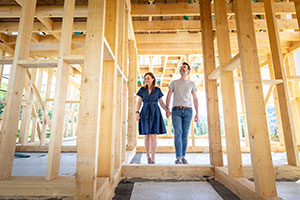 Before you start shopping for your future homesite, consider your needs and budget. Determine whether your home will be a primary residence, second home or future retirement property. Think about lot size, location, neighborhood features and your lifestyle needs and make a checklist for easy reference.
Also, consider your timeline for building your custom home. Working out these details ahead of time can help you establish your budget and eventually find your ideal residential lot.
Not all vacant land is the same. Before purchasing property for a future home, it's important to understand how the type of land can affect your budget, construction timeline, utility costs and financing options. In general, as more infrastructure is added to a property, it becomes easier and less expensive to prepare for construction, but the purchase price often increases.
 Financing options can vary depending on the property's level of development. Seacoast Bank lot loans are designed for buildable residential lots with legal access and do not finance raw or unimproved land purchases. Buyers considering a land purchase should confirm that the property meets lender requirements before making an offer.
Understanding these distinctions can help you estimate development costs, evaluate financing options and identify whether a property is truly ready for construction before you make an offer.
Even a lot that appears build-ready can come with hidden challenges. Reviewing the following factors before making an offer can help you identify potential issues and make a more informed purchase decision.
The cost of the land itself is only one part of your overall investment. Depending on the property's condition and level of development, you may need to budget for additional expenses before construction can begin. Factoring in these costs early can help you avoid surprises, create a more realistic budget and determine whether a property truly fits your financial plans. Potential costs could include:
What should you check before buying land?
Before purchasing your land, verify zoning, property access, utility availability, flood risk, environmental conditions and any restrictions that could impact future construction.
 Financing a land purchase is often different from financing an existing home. Understanding the available financing solutions can help you secure the property you want while creating a clear path toward building your future home.
Two primary financing options that can help you cover the cost of your land purchase and new home construction are:
Building Later vs. Building Right Away
Your financing needs might vary depending on your timeline for buying land and building your new home. Some people opt to purchase a lot and build right away, while others choose to buy a lot years before building their home. In certain cases, waiting to build might be useful, as it allows you to pay down your lot loan, providing more wiggle room in your budget for a future construction loan. Before applying, it can be helpful to understand the documentation lenders may require.
Having a checklist of items for quick reference can simplify the complicated process of buying land. Here are key points to consider as you finalize your land lot purchase and transition to the building phase.
| Residential zoning confirmed | |
| Utilities available or planned | |
| Survey completed | |
| Flood risk reviewed | |
| Property access verified | |
| Financing options explored | |
| Building timeline established | |
| Environmental restrictions reviewed |
Building your dream home starts with the right foundation.
Building a home can be exciting, but one of the most important parts of the process is finding the right plot of land. Evaluating different properties can help you find one that fits your budget and needs. Once you have found the right property, comparing land financing options can also help you secure a loan with competitive rates and terms. Proper planning can make the process of choosing your future homesite and custom home construction easier.
Purchasing land and building a home can be more complicated than buying an existing property. With careful planning and a clear understanding of the process, you can move forward with confidence toward building the home you've envisioned. Connect with a Seacoast mortgage lender to learn more about your financing options and start building a plan for your future home.
Topics: Homeownership, Understanding Mortgages










 Equal Housing Lender. Member FDIC. NMLS# 608046


Share: