
When you’re ready to purchase a house in Florida, you’ll have to choose whether you want to buy or build a home. While both options have benefits and trade-offs, factors like location, budget, timeline, customization preferences and financing options can influence your decision. Here’s what you need to know about building versus buying a house in the Sunshine State.
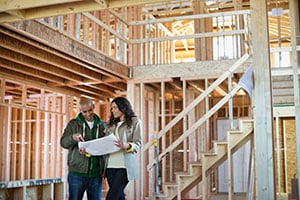 Choosing between new construction and an existing home purchase is all about personal preferences, priorities and your specific needs and situation. While existing homes make up about 84% of all home purchases in the U.S., many buyers prefer the benefits of building a home. If you’re comparing buying a house versus building one, it’s important to recognize the key differences in the process, particularly around the financial and time commitments.
Building a home from the ground up starts by choosing a lot in an existing community or purchasing land. If you’re buying land, you’ll need to take some extra steps to ensure you can build on it. This includes verifying zoning regulations, testing the soil and planning for connections to utilities and access roads. For more information on this process, see our guide on Buying Land to Build a House.
Once you’ve identified your future home’s exact location, you’ll work with a builder to discuss construction project planning, customization opportunities, budgeting and timeline. The price and timeline for building a new home can vary significantly based on factors such as location, square footage and the current cost of materials and labor. Nationally, new-construction homes cost about $166 per square foot and take around 8.8 months to complete. However, it’s important to keep in mind that custom home construction, especially larger houses with high-end finishes, can easily increase costs and extend the building timeline.
Most buyers choose to purchase an existing home rather than build a new one. Choosing a move-in-ready property over new construction means you’re opting to buy a home from an individual owner rather than working with a builder.
When you buy an existing home, you’re choosing from a wide range of inventory in established neighborhoods that are often located near city centers and conveniences like stores and restaurants. Existing homes can vary in age and architectural style, which may appeal to you more than newer homes that are typically built primarily for functionality. In some cases, resale homes have been updated, but in others, you may have to account for repairs and renovation costs.
If you’re choosing between building versus buying a house, there are four factors that often inform your decision: cost, timeline, customization and location. Though the right choice depends on your individual situation and personal priorities, thinking about these differences can help you find the right fit.
 The average cost to build a house or buy an existing home can vary significantly due to the home’s location and square footage, as well as the economy and interest rates.
According to a National Association of Home Builders survey, the average price to construct a new home in 2024 was $428,215. During that same period, the typical price of an existing home was $418,975. Keep in mind that these prices are national averages and may not reflect the cost of building in your area; prices can vary from state to state.
When comparing the prices of new and existing homes, keep in mind that the overall costs may look a lot different, especially over time. For example, total new-construction home costs include the price of land, site preparation, construction and permits. If there are delays, unexpected expenses could increase those costs. On the other hand, existing homes are often more affordable up front, but repairs, renovations and updates could lead to unpredictable expenses down the line.
Buying an existing home tends to follow a much faster timeline than building a new-construction home. For existing homes, you can often close in 30 to 60 days. If you’re building a home, the timeline can range from around 6 months for more straightforward builds to as many as 24 months for fully customized homes. When you buy an existing home, the process is relatively predictable. But for a new build, factors like weather, permitting, labor, materials and financing can all impact the timeline.
Both building and buying a home offer opportunities to personalize the space. However, if you want to maximize design flexibility and customization, building from the ground up is usually the better option. When you modify an existing home, you have to work around the existing structure and layout. You’ll have to contend with load-bearing walls, and if you want to add electric or HVAC, you may need to open up drywall, tear up flooring or cut into the foundation. By contrast, with new construction, you can fully customize your home without having to worry about the limitations of an existing floorplan.
If you’re looking for the most convenient location, existing homes often edge out newer developments. Since new developments are frequently located farther from city centers, they may not offer the same access to amenities and conveniences as existing homes in more established neighborhoods. Commercial developers often use the saying “retail follows rooftops,” meaning supermarkets, restaurants, shops and other retailers only move into a neighborhood after the houses are occupied. But for existing homes, many retailers already have a long-standing presence that can contribute to a more convenient lifestyle.
Despite some similarities, financing an existing home purchase and taking out a construction loan in Florida can look very different. That’s because building a new home involves more planning and is generally much less predictable. If you’re comparing a construction loan versus a traditional mortgage, you’ll notice that there are differences in the timeline, interest rates and lender requirements.
 With a traditional mortgage, you’ll share some personal and financial information with your lender, who can help you secure a mortgage pre-approval and talk through your budget. Once you sign an agreement to purchase a home, you’ll submit a mortgage application. If approved, you’ll get a clear picture of your monthly payments, interest rate and APR.
Depending on the type of mortgage, you’ll make a down payment that’s typically 3.5% to 20% of the purchase price you’ve negotiated with the seller. On the date of your closing (often 30 to 60 days after the signed agreement), you’ll be responsible for your down payment and any closing costs, and your lender will fund the remaining amount of your purchase price. Once that’s complete, you’re officially the new owner of your home.
Financing a new construction home can involve several moving parts. In many cases, homebuyers opt for a construction-to-permanent loan. This type of financing is designed to cover the cost of constructing a new home and convert to a traditional mortgage once the home is completed.
Since construction loans aren’t secured by a fully built home, lenders use draw schedules to release payments when the builder meets certain milestones.
A typical draw schedule might look like the following:
| Milestone | Percentage Payment |
| Grading and site preparation | 10% |
| Foundation | 10% |
| Framing and roof structure | 25% |
| Rough plumbing, electrical and HVAC | 15% |
| Insulation and drywall | 15% |
| Fixtures and finishes | 15% |
| Inspections, certificate of occupancy and final approval | 10% |
Yes. Unlike traditional mortgages, which finance existing homes, construction loans finance the costs of building a new home. Other key differences of construction loans include:
Building a home in Florida can look very different from building a home in other parts of the country. The Sunshine State’s unique climate makes it an attractive place to build or buy, but it also comes with special considerations.
To protect against harsh weather, Florida building codes are among the strictest in the nation. In addition, protected wetlands like the Everglades limit the availability of buildable land. Even in areas that aren’t protected, building can be difficult due to the porous limestone that sits beneath most of Florida’s surface. This is important because if you want to live in a specific area, the number of buildable lots for a new home may be limited.
Florida homeowners' insurance, flood insurance and windstorm coverage premiums can also add thousands of dollars per year to the cost of homeownership. When deciding between buying and building, it’s important to note that newer, hurricane-resistant homes usually have lower premiums than older existing homes.
If you’re still weighing the pros and cons of buying a house versus building one, ask yourself which option most closely aligns with your budget, timeline, lifestyle and long-term homeownership goals.
The choice of building versus buying a house depends on your individual goals, budget, timeline and personal preferences. And in Florida, weather and lifestyle considerations can make the decision even more complicated. For those who need to move quickly, want to live in established neighborhoods or simply appreciate older architectural styles, buying an existing home is usually the best bet. When customization, hurricane resistance and energy efficiency are priorities, it’s hard to beat new construction.
There’s a lot to consider when you’re comparing new construction and existing homes. But when you’re looking for a mortgage, you shouldn’t have to choose between flexibility and convenience. With 100 years of experience financing new and existing Florida homes, Seacoast offers the mortgage options and local expertise to guide you through your next move.
Connect with a local Seacoast Mortgage Loan Officer today to see what you qualify for.
Topics: Homeownership, Understanding Mortgages










 Equal Housing Lender. Member FDIC. NMLS# 608046


Share: