
If you own a small business, the risks of operating with outdated equipment include unplanned downtime, employee frustration and above all, lost revenue amounting to thousands or even hundreds of thousands of dollars. Investing in new equipment can help your business grow, increase productivity and gain a competitive edge. So while the price tag of new equipment often causes small-business owners to delay these purchases, smart financing can help your business stay on the cutting edge without the cash-flow crunch.
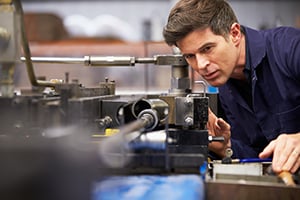
Small-business equipment financing gives you the flexibility to purchase and use new equipment today while spreading out the payments over time. This allows businesses to preserve working capital while benefiting immediately from revenue the equipment can help produce.
Financing new business equipment might refer to a purchase or a lease; however, it’s important to distinguish equipment loans from equipment leases. When you take out an equipment loan, you borrow money to buy the equipment. With leasing, you’re paying to borrow the equipment — similar to a long-term rental.
Unlike traditional business loans, which rely primarily on credit, a secured equipment loan uses the asset you’re buying as collateral. That means if the business owner doesn’t make their payments, the lender may reclaim the equipment — but nothing else.
Seacoast Bank structures equipment loan terms to align with both the useful life of the asset and a business’s cash flow, with loan terms available up to six years. This approach helps ensure predictable monthly payments while allowing businesses to preserve working capital. Terms are customized based on factors such as revenue, existing debt obligations and the income the equipment is expected to help generate, so the financing supports long-term sustainability without overextending the business.
Purchasing new equipment comes with several benefits for your business that can help boost productivity, improve safety and security and attract or retain top talent. Some of the key benefits of new equipment purchases include:
The total cost of ownership (TCO) refers to the full lifecycle cost of the equipment, rather than just the purchase price. This includes the price you pay to acquire, operate and maintain the equipment, as well as any resale value when you eventually sell the asset.
When you buy new equipment, it’s important to recognize that a higher price tag may actually save you money in the long run. Instead of making decisions based on the purchase price alone, calculate the total cost of ownership. For instance, if a new piece of equipment uses less energy, you'll save money on your business's monthly utility bills. Similarly, if your old equipment breaks down every month, upgrading equipment will reduce downtime for repairs, increasing your productivity and saving you on maintenance costs.
Upgrading your equipment is an important investment in your business’s growth, but if you’re running a tight budget, it could create a cash crunch. Here are three ways to acquire new equipment while preserving business cash flow.
Your community bank is often one of the top resources for securing the financing you need to modernize your equipment and optimize your operations. Unlike national banks, community banks tend to offer more flexible financing options that consider individual and local factors rather than a strict set of algorithmic standards. This allows you to find more customizable terms that can better fit your small business’s equipment budget.
Negotiating prices and looking for equipment vendor discounts can save you thousands of dollars on your equipment purchase. To maximize your savings, make sure to compare equipment quotes and research the market for each piece of equipment so you can make reasonable offers.
Choosing the cheapest option might save you cash today but could cost more over the equipment lifecycle due to increased downtime, frequent repairs, higher energy consumption and lower resale value. Instead, consider investing in high-quality machinery that’s more likely to last.
 When you invest in new equipment for your business, you can buy it outright, finance it or lease it. Each option comes with benefits and drawbacks, so the choice depends on what’s right for you and your business.
Buying: Buying is typically the best option for long-term use and tax depreciation benefits but requires the largest upfront investment. You’ll also be responsible for any maintenance.
Leasing: Leasing keeps upfront costs low, but you never own the equipment, and it typically costs more over time. This option offers some added flexibility, making it easier to upgrade equipment in the future.
Financing: An equipment loan allows you to own the equipment without paying the full price up front, helping you preserve liquidity. While you’ll be responsible for the maintenance costs, you can write off the depreciation and interest.
Learn more about how to buy business equipment without breaking the bank.
Qualifying for equipment financing is often easier than qualifying for a traditional loan. However, lenders still require a formal application and underwriting.
When you apply for an equipment loan, the lender will evaluate your personal and business credit histories, borrowing behavior, income and expenses. That’s because they want to know that your business is stable, that you have a history as a responsible borrower and that you’re likely to make your payments on time.
Like other loans, equipment financing requires you to share certain documentation in your application to verify your identity and financial information. This includes identification for all company owners, personal financial statements and tax returns from the past three years (for both the business and any loan guarantors), a list of current monthly debt payments and details about the piece of equipment you’re financing.
Using the equipment as collateral secures your loan, providing the lender with additional assurances and allowing them to offer more competitive equipment loan rates and terms. While it’s possible to use an unsecured loan to buy equipment, these loans typically come with less favorable terms and higher rates than equipment purchase financing.
Since every industry uses equipment and technology, nearly every company can benefit from buying new business equipment. Common types of equipment businesses often choose to finance include:
Business equipment financing is used across a wide range of industries and assets and is often customized to match the equipment’s expected lifespan. For example, a company might finance a server system for 36 months. This reflects the price and shorter useful lifespan of this type of equipment. On the other hand, a CNC machine or a tracked bulldozer might have financing terms of 60—84 months, since these are pricier pieces of equipment with longer lifespans.
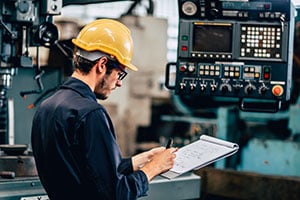 Business equipment isn’t one-size-fits-all, and neither are your equipment financing options. Seacoast Bank offers flexible financing options to fit your budget, whether you need to make a large one-time purchase or tap into more flexibility with a line of credit.
Seacoast’s small-business equipment loans allow you to finance up to 100% of equipment costs and enjoy fixed, predictable monthly payments to make budgeting easier for your business. With flexible loan terms and a broad range of eligible equipment — from vehicles and machinery to manufacturing equipment and medical devices — you could get a same-day loan decision.1
If your equipment needs are seasonal, you need to make multiple smaller purchases or you want flexible access to capital for opportunities or emergencies, a line of credit may make more sense. With a business line of credit, you can borrow against your limit anytime — similar to a credit card. You’ll only pay interest on money you actually borrow, and you can use the funds for almost any business expense.
Upgrading your business equipment is a strategic decision that you should make with confidence — and so is the banking partner you choose to support your new equipment purchase.
As a Florida-based community bank, Seacoast specializes in serving local businesses. That means our bankers understand Florida’s diverse economy and seasonal trends, focusing on relationship banking and your business’s unique situation. When you want to take the next step to scale your business, a smart equipment financing strategy can help you grow without the pressure of paying the entire amount up front.
Ready to upgrade your business equipment? Connect with a local business banker today.
1 Subject to receipt of all required documentation, day, and time of application.










 Equal Housing Lender. Member FDIC. NMLS# 608046







Share: